Propionyl L Carnitine For Ed How much L-carnitine should I take for ED?
\nHow Much L-Carnitine Should I Take for ED? A Realistic Guide for Women Buying for Partners
\n\nNavigating the complex landscape of men\'s health supplements can be incredibly overwhelming. If you are a woman in your late 30s or early 40s, managing family wellness often falls onto your shoulders. When intimacy patterns change or your partner expresses frustration regarding stamina and performance, it is natural to look for supportive options. Lately, search volume has spiked around a very specific question: how much L-carnitine should I take for ED?
\n \nThis interest isn\'t coming out of nowhere. As couples look for ways to support cardiovascular health and endothelial function without immediately jumping to heavy prescription medications, amino acid derivatives like L-carnitine have moved into the spotlight. The intent behind this search is clear: consumers want to know if there is a safe, measurable, and effective L-carnitine dosage for erectile dysfunction support that can be integrated into a daily routine, what the realistic timelines look like, and how to avoid overhyped, overpriced junk products.
\n\n\n\n
What L-Carnitine and Its Variants Are and Who It Might Fit Best
\nL-carnitine is a naturally occurring amino acid derivative that plays a critical role in cellular energy production. Its primary job in the body is to transport long-chain fatty acids into the mitochondria, the powerhouses of your cells, so they can be burned for fuel. While our bodies produce it and we get it from foods like grass-fed beef and dairy, supplemental forms are often utilized to achieve higher tissue concentrations.
\n \nWhen looking into the optimal L-carnitine dosage for erectile dysfunction support, it is crucial to understand that "L-carnitine" is an umbrella term. In the context of circulatory and intimate health, two specific variants are most relevant: Acetyl-L-Carnitine (ALC) and Propionyl-L-Carnitine (PLC). PLC is highly regarded for its affinity with cardiovascular tissue and peripheral blood flow, while ALC is known for crossing the blood-brain barrier to assist with neurological energy and mood.
\n \nWho is this supplement best suited for? Based on clinical contexts, it fits best for men over 35 whose intimacy challenges are linked to mild, age-related circulatory slowdowns, metabolic sluggishness, or general fatigue. It is also frequently researched as a supportive option for those who are already taking standard lifestyle steps—like improving their diet and getting back into regular cardio—but want a targeted nutritional cushion to support their efforts.
\n\n\n\n
Practical Benefits and Where It Falls Short
\nFrom a practical consumer perspective, carnitine supplementation is not a magic switch. It works gradually by supporting the health of blood vessel linings (endothelial function) and optimizing cellular energy. When these systems work better, general stamina and natural blood flow tend to follow. However, where it falls short is speed and potency; it will not mimic the rapid, mechanical response of prescription PDE5 inhibitors.
\n\n\n Case Study 1: Positive Progress (The Gradual Build)\n\n
\n Sarah, 39, purchased a high-quality combination of Propionyl-L-Carnitine and Acetyl-L-Carnitine for her husband (aged 42) who was dealing with mild performance anxiety and physical fatigue after long work weeks. They committed to a daily schedule of 2,000 mg split into two doses. During the first week, nothing changed. By week three, her husband noted a subtle but distinct increase in his morning energy levels and improved physical stamina during workouts. Over the course of two months, they noticed that his physical responsiveness during intimate moments became more consistent, particularly because his overall fatigue had decreased. Total cost was roughly $35 per month.\n
\n Case Study 2: The Failure Case (Wrong Expectations & Sensitive Stomachs)\n\n
\n Elena, 41, bought a cheap, unstandardized L-carnitine liquid from a local discount store for her partner, who had been experiencing moderate, long-term intimacy issues linked to unmanaged high blood pressure. He took a large, single dose of 3,000 mg on an empty stomach to "speed up the results." Within two hours, he experienced severe stomach cramping, nausea, and a distinct, unpleasant fishy body odor (a known side effect of excessive, unabsorbed carnitine). They abandoned the supplement after four days with zero structural improvements in his performance, having wasted $20 and gained plenty of frustration.\n
 \n
\n \n\n
What Research Suggests and What It Doesn\'t
\nWhen filtering through the scientific literature, it is necessary to separate marketing hype from clinical reality. Several human trials have looked at the intersection of carnitine and male sexual health. A notable area of study involves combining Propionyl-L-Carnitine (typically 2,000 mg/day) with Acetyl-L-Carnitine (1,000 mg/day). In some studies, this combination was shown to support the efficacy of standard medical protocols or provide mild, independent improvements in tissue oxygenation and penile blood flow over a 3-to-6-month period.
\n \nHowever, the science is far from absolute. The sample sizes in these studies are often small to moderate, and results vary significantly depending on the root cause of the issue. If the underlying challenge is psychological stress, deep-seated relationship anxiety, or severe nerve damage, altering cellular fatty acid transport with a supplement will do very little. Furthermore, risks exist: excessive doses can cause mild gastrointestinal distress, diarrhea, and in rare cases, a buildup of TMAO (trimethylamine N-oxide), which is monitored by physicians managing advanced cardiovascular risks. It is a tool for gradual wellness optimization, not an instant medical correction.
\n\n\n\n
Ingredients, Formats, and Quality Signals
\nIf you are looking for the right product, you will find carnitine in capsules, bulk powders, and liquids. For the specific purpose of vascular and reproductive health support, look for formulas that explicitly feature Propionyl-L-Carnitine (PLC) or Acetyl-L-Carnitine (ALC) rather than basic L-carnitine base or L-carnitine L-tartrate (which is highly favored for muscle recovery but less focused on vascular endothelial pathways).
\n \nQuality signals are your safeguard against internet scams. Always verify that the product is manufactured in a cGMP (Current Good Manufacturing Practice) compliant facility. More importantly, look for third-party testing seals on the label from independent organizations like USP, NSF, or ConsumerLab. These seals ensure that what is written on the bottle—such as "1000mg PLC"—is exactly what is inside the capsule, free from heavy metal contamination or unlisted filler ingredients.
\n\n \n\n\n\n
Comparison of Common Options
\nTo give you a better idea of what to expect when shopping online or at a health food store, here is a breakdown of how the standard consumer formats stack up against one another in practice.
\n\n| Format | \nTypical Dose/Use | \nPros | \nCons | \nCost | \nBest For | \n
|---|---|---|---|---|---|
| Propionyl-L-Carnitine (PLC) Caps | \n1,000 mg - 2,000 mg daily | \nBest clinical backing for blood flow and blood vessel health. | \nHarder to find standalone; slightly more expensive. | \n$30 - $45 / month | \nTargeted circulatory and intimacy support. | \n
| Acetyl-L-Carnitine (ALC) Caps | \n500 mg - 1,500 mg daily | \nExcellent absorption; supports cognitive energy and mood. | \nLess direct action on peripheral blood vessels compared to PLC. | \n$15 - $25 / month | \nMen dealing with mild performance fatigue and brain fog. | \n
| Pre-Workout Carnitine Blends | \nVaries (often 1,500 mg) | \nWidely available in fitness stores; often tastes good. | \nFrequently contains excessive caffeine, artificial dyes, and proprietary blends. | \n$40 - $60 / month | \nGeneral gym performance, but poor for pure wellness tracking. | \n
| Pure L-Carnitine Base Powder | \n1,000 mg - 3,000 mg daily | \nLowest cost per gram; no added pill binders or gelatin capsules. | \nRequires a micro-scale; sour taste; can absorb moisture quickly. | \n$10 - $20 / month | \nBudget-conscious buyers willing to mix their own drinks. | \n
| Liquid L-Carnitine Shots | \n1,500 mg - 3,000 mg daily | \nEasy to swallow for individuals who dislike pills. | \nOften contains preservatives (sodium benzoate) and liquid sweeteners. | \n$25 - $40 / month | \nConvenience buyers focused primarily on physical energy. | \n
\n\n
Buying Framework and Red Flags
\nWhen you are purchasing something meant to support your partner\'s health, you cannot afford to guess. Use this straightforward checklist before adding anything to your online cart:
\n \n- \n
- Form Verification: Does the ingredient panel explicitly list Propionyl-L-Carnitine or Acetyl-L-Carnitine, or does it hide behind a vague "Carnitine Matrix"? \n
- Dosage Transparency: Avoid any product that uses a "Proprietary Blend" where the exact milligram count of the carnitine is hidden among other herbs like Tribulus or Horny Goat Weed. You need to know exactly how much L-carnitine you are introducing. \n
- Testing Assurance: Look for a clear statement of independent third-party lab testing for purity and potency. \n
Red Flags to Watch Out For: Stay far away from brands that use hyper-aggressive, hyper-masculine marketing graphics promises like "Instant Size Gains," "Overnight Cure for ED," or "100% Guaranteed Medical Results." Genuine, high-purity dietary supplements are marketed as nutritional support for normal cardiovascular and metabolic pathways—not as rapid-acting medical miracles.
\n\n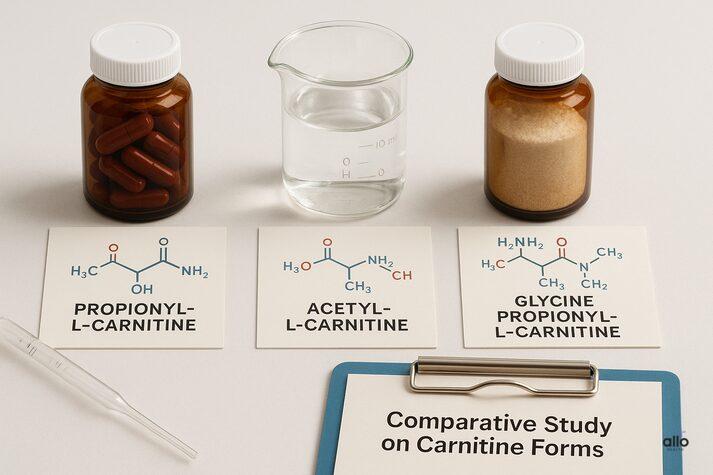 \n
\n \n\n
Common Mistakes and How to Avoid Them
\nThe single most frequent mistake consumers make is treating amino acids like prescription drugs. This manifests in two ways. First, some people take the entire day\'s amount all at once. Taking a full 3,000 mg dose in the morning often overwhelms the small intestine\'s transport proteins, leading to poor absorption and stomach upset. To avoid this, split the intake: try 1,000 mg with breakfast and another 1,000 mg with lunch.
\n \nSecond, many couples give up way too soon. Because they are searching for a solution to an intimate problem, there is an understandable emotional desire for immediate validation. If they don\'t see a dramatic turnaround within four to five days, they assume the supplement is a failure. In clinical environments, changes in endothelial health and tissue carnitine levels are measured over weeks and months, not hours. Patience and consistency are mandatory requirements.
\n\n\n\n
FAQ
\n \nIs L-carnitine proven for ED if used consistently over time?
\nWhile "proven" is a strong medical term reserved for FDA-approved prescription treatments, clinical data shows that L-carnitine variants (particularly Propionyl-L-Carnitine) provide measurable nutritional support for blood vessel health and overall circulation. It works best as an optimization tool for mild, circulation-related intimacy issues rather than severe structural or neurological conditions.
\n\nHow long does L-carnitine take to work for male performance and blood flow?
\nUnlike prescription alternatives that work within an hour, L-carnitine requires time to build up within the body\'s tissues. Most users report seeing subtle shifts in overall physical energy and stamina within 2 to 3 weeks, while the full benefits for cardiovascular and circulatory support typically manifest after 8 to 12 weeks of daily, regular use.
\n\nWhat are the common L-carnitine side effects that I should look out for?
\nWhen kept within standard clinical limits (1,000 mg to 3,000 mg daily), side effects are generally mild. The most common issues include stomach cramps, nausea, or loose stools—particularly if taken on an empty stomach. At higher doses, unabsorbed carnitine broken down by gut bacteria can cause a harmless but embarrassing fishy body odor or breath.
\n\nCan it combine with standard medications or other amino acids safely?
\nMany individuals safely combine carnitine with other circulation-supportive amino acids like L-arginine or L-citrulline. However, if your partner takes blood thinners (like warfarin) or thyroid medications, carnitine can interfere with their efficacy. Always have your partner clear any new daily supplement with their primary healthcare provider first.
\n\nWhat are the pros and cons of L-carnitine oral vs injection options?
\nOral supplements (capsules and powders) are widely available, inexpensive, and easy to integrate into a morning routine at home, though they have a lower absorption rate in the digestive tract. Injections offer near-100% bioavailability and bypass the gut entirely, but they require a medical prescription, are substantially more expensive, and carry risks associated with self-administration and needle safety.
\n\n \n\n\n\n
A Practical 2-Week Experiment Framework
\nIf you and your partner choose to explore whether an L-carnitine dosage for erectile dysfunction support is a good match for his health goals, don\'t just guess at the results. Approach it systematically with this realistic two-week trial roadmap:
\n\n- \n
- Days 1–3 (The Baseline): Start with a conservative, split dose to test stomach tolerance. Have your partner take 500 mg of Acetyl-L-Carnitine or Propionyl-L-Carnitine with breakfast and another 500 mg with lunch. Focus on drinking plenty of water. Do not expect any changes in intimacy metrics during these initial days. \n
- Days 4–7 (The Adjustment): If his stomach feels fine, step up to the standard daily tracking level: 1,000 mg in the morning and 1,000 mg at mid-day (totaling 2,000 mg daily). Note general changes in midday fatigue, mental clarity, or workout stamina. \n
- Days 8–14 (Evaluation): Maintain the consistent 2,000 mg daily protocol. At the end of the second week, look back objectively. Have his overall energy levels improved? Is he feeling less wiped out after work? Use these lifestyle markers as the primary gauge for whether the supplement is successfully supporting his systemic vitality. \n
\n\n
About the Author
\nThis review was compiled by Elena Vance, a senior wellness editor specializing in dietary supplement sourcing and consumer advocacy for family health. With over seven years of experience evaluating nutritional formulations, her goal is to cut through aggressive fitness marketing to provide transparent, realistic insights for couples taking charge of their wellness journeys.
\n \nDisclaimer: The information provided in this article is intended strictly for educational and informational purposes. It is not a substitute for professional medical advice, diagnosis, or treatment. Dietary supplements are not intended to cure, treat, or prevent any medical condition, including erectile dysfunction. Your partner should consult a qualified physician or urologist before starting any new supplement protocol, particularly if he has pre-existing cardiovascular conditions, high blood pressure, or is taking prescription medications.
\n
Discussion