L-Carnitine: Does L-carnitine lose belly fat?
\nDoes L-Carnitine Lose Belly Fat? A Cautious, Real-World Review for Men Over 45
\n\nIf you are a man between the ages of 45 and 54, you have likely noticed that your midsection has become increasingly stubborn. Metabolic slowing, subtle drops in natural testosterone levels, and lifestyle stressors mean that the exact same diet and exercise routine that kept you lean in your thirties no longer yields the same results. When searching for a solution, fitness forums and supplement ads frequently float a specific question: Does L-carnitine lose belly fat?
\n \nThe appeal is completely understandable. The market pitches L-carnitine as a natural fat burner that shuttles fatty acids directly into your cellular furnaces to be incinerated for energy. It sounds like the perfect biological key to target that deep visceral fat tightening your waistline. However, as an aging consumer, you have likely been burned by overhyped fat-loss gimmicks before. This article bypasses the marketing hyperbole to look at raw clinical data, human biochemistry, and direct consumer feedback to evaluate if this amino acid derivative can truly reshape your midsection, or if it is just another expensive addition to your supplement cabinet.
\n\nWhat L-Carnitine Is and Who It Might Fit Best
\nL-carnitine is not a synthetic drug or a magic molecule; it is a naturally occurring amino acid derivative synthesized by your kidneys and liver from lysine and methionine. It is stored primarily in your skeletal muscles, heart, and brain. Its primary biological function is to act as a transport vehicle. Specifically, it escorts long-chain fatty acids across the mitochondrial membrane, where these fats are oxidized—or burned—to generate adenosine triphosphate (ATP), the fundamental energy currency of your cells.
\n \nWhile your body produces it endogenously and extracts it from dietary sources like grass-fed beef and dairy, internal concentrations can decline as we age. For a man in his late 40s or early 50s, this gradual decline can coincide with a decrease in mitochondrial efficiency. Therefore, L-carnitine supplementation is not intended to force your body to burn fat out of nowhere. Instead, it is designed to ensure that a lack of transport molecules does not become a bottleneck in your existing fat-burning pathways.
\n \nWho stands to benefit the most? Based on current metabolic literature, this compound fits a very specific consumer profile. It is best suited for mature men who are already executing a consistent resistance training program and a structured caloric deficit, but who suspect their rate of fat oxidation has stalled due to age-related metabolic sluggishness. It may also highly benefit individuals on plant-heavy diets or those with minor systemic carnitine deficiencies. It is entirely unsuited for individuals looking for a passive weight-loss shortcut that works without diet or lifestyle modifications.
\n\nPractical Benefits and Where It Falls Short
\nWhen assessing whether oral supplementation helps manage a widening waistline, we must separate systemic fat oxidation from localized spot reduction. L-carnitine may assist in maintaining overall cellular energy production and supporting exercise recovery, allowing you to train harder and more frequently. By reducing muscle soreness and systemic fatigue, it indirectly helps keep your daily energy expenditure high. However, its primary shortcoming is its inability to target specific body areas; it cannot selectively extract fat from your abdomen.
\n\n\n Case Study 1: Positive Metabolic Support (The 52-Year-Old Lifting Enthusiast)\n\n
\n Mark, a 52-year-old corporate executive, had maintained a disciplined lifting schedule but struggled with persistent abdominal softening. He introduced 2,000 mg of L-Carnitine L-Tartrate daily alongside his pre-workout meal, maintaining a modest 300-calorie deficit. Over a 12-week period, Mark reported a noticeable uptick in his training stamina and a reduction in post-squat recovery time. While his overall weight loss was a gradual 6 pounds, his waist circumference dropped by 1.5 inches. For Mark, the supplement acted as a marginal but valid performance multiplier.\n
\n Case Study 2: Failed Expectations (The Sedentary Desk Worker)\n\n
\n Conversely, David, a 48-year-old software architect, read an online advertisement asserting that L-carnitine melts visceral fat. He purchased a liquid formulation, taking 3,000 mg every morning for 8 weeks while maintaining his sedentary lifestyle and unmonitored diet. Aside from experiencing mild stomach cramping and occasional nausea during the first week, David experienced zero changes in his weight, waistline, or body fat percentage. His experience underscores the reality that without an active energy demand, the excess carnitine is simply excreted by the body.\n
 \n
\n What Research Suggests and What It Doesn\'t
\nTo truly understand if L-carnitine helps eliminate visceral fat, we have to look past the anecdotal claims and scrutinize peer-reviewed human trials. A notable meta-analysis published in Obesity Reviews analyzed data across multiple randomized controlled trials. The researchers found that subjects who received L-carnitine lost significantly more weight and demonstrated a greater reduction in body mass index (BMI) compared to the placebo group. However, the actual nuance lies in the magnitude of that loss: the average difference was roughly 1.3 kilograms (less than 3 pounds) over several months.
\n \nCrucially, the scientific literature does not support the idea that oral carnitine can selectively target abdominal fat. Fat loss occurs systematically across the entire body based on a caloric deficit; your genetics, stress levels, and hormonal profiles dictate where that fat comes off first. Furthermore, human muscle cells have a strict saturation threshold for carnitine. For individuals with already optimal baseline levels, flooding the digestive tract with high-dose supplements does not lead to higher muscular accumulation or accelerated fat burning.
\n \nThere are also explicit risks and metabolic limitations to keep in mind. High oral doses can cause gastrointestinal side effects including diarrhea, abdominal cramps, and a distinct, fishy body odor caused by the synthesis of trimethylamine. Of greater concern to men in the 45-54 demographic is the gut microbiome’s conversion of carnitine into Trimethylamine N-oxide (TMAO). Emerging cardiovascular research suggests that elevated levels of TMAO may be associated with an increased risk of arterial plaque buildup. Therefore, assuming that "more is better" with this supplement can be a counterproductive and potentially risky approach to long-term health.
\n\nIngredients, Formats, and Quality Signals
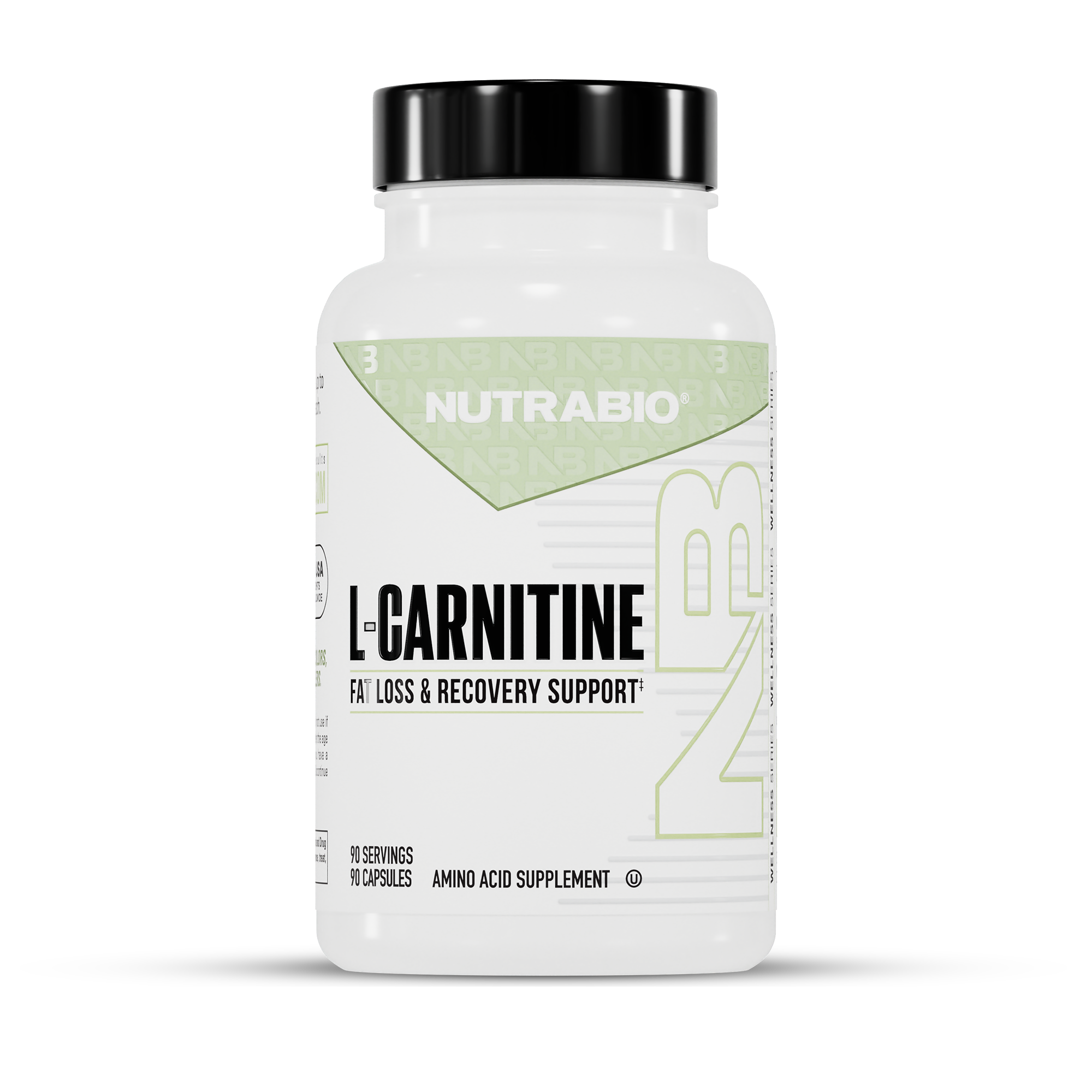
\nIf you decide to experiment with this compound, navigating the retail landscape requires understanding its distinct chemical formats. You will rarely find raw L-carnitine isolated by itself; it is typically bonded to a stabilizing agent to maximize bioavailability and shelf stability. The three primary forms you will encounter include:
\n \n- \n
- L-Carnitine L-Tartrate (LCLT): Primarily bonded with tartaric acid, this format boasts rapid absorption rates. It is heavily utilized in sports nutrition settings because data suggests it is highly effective for reducing muscle tissue damage and accelerating recovery from intense physical exertion. \n
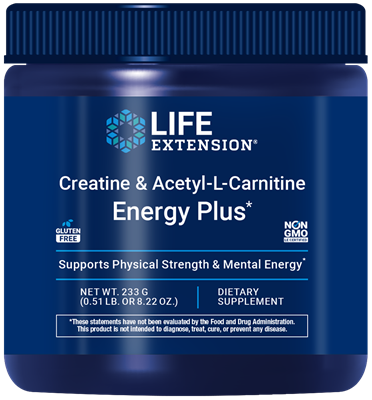
- Acetyl-L-Carnitine (ALCAR): This form features an attached acetyl group, allowing it to cross the blood-brain barrier effectively. While it still participates in fatty acid transport, it is favored for its secondary cognitive benefits, such as supporting focus, mental clarity, and alleviating brain fog. \n
- Propionyl-L-Carnitine (PLC): Often bonded to propionyl acid, this variation displays a strong affinity for vascular health, making it an option sometimes looked at for peripheral circulation and blood flow support. \n
Comparison of Common Options
\nTo help guide your shopping decisions, the table below breaks down the common retail iterations of carnitine supplements, detailing their average pricing, functional strengths, and primary drawbacks based on standard consumer data.
\n\n| Format | \nTypical Dose/Use | \nPros | \nCons | \nEstimated Monthly Cost | \nBest For | \n
|---|---|---|---|---|---|
| L-Carnitine L-Tartrate Powder | \n1,500 - 3,000 mg pre-workout | \nHigh absorption rate, cost-effective, clinically backed for recovery. | \nUnflavored versions taste distinctly sour or unpalatable. | \n$15 - $25 | \nActive men prioritizing weight room performance and recovery. | \n
| Acetyl-L-Carnitine (ALCAR) Capsules | \n500 - 1,500 mg morning/afternoon | \nCrosses blood-brain barrier; provides both cognitive and metabolic support. | \nSlightly more expensive per gram than basic tartrate powders. | \n$20 - $35 | \nBusy professionals seeking mental clarity alongside fat loss support. | \n
| Liquid L-Carnitine Base | \n1,500 - 3,000 mg on empty stomach | \nConvenient to swallow; rapid gastric emptying; often highly flavored. | \nFrequently loaded with artificial sweeteners and preservatives; low portability. | \n$25 - $45 | \nThose who dislike swallowing large capsules or pills. | \n
| Propionyl-L-Carnitine (PLC) Tablets | \n1,000 - 2,000 mg daily | \nStrong support for nitric oxide pathways and cardiovascular blood flow. | \nHarder to find isolated; less direct focus on exercise recovery metrics. | \n$30 - $50 | \nMen focusing concurrently on circulatory health and endurance. | \n
| Pre-Workout Fat Burner Blends | \nVaries by brand matrix | \nSynergistic ingredients like caffeine or green tea extract included. | \nProprietary blends hide exact dosages; high risk of over-stimulation. | \n$40 - $70 | \nConsumers looking for an all-in-one stimulant-driven exercise drink. | \n
Buying Framework and Red Flags
\nThe supplement industry can be difficult to navigate, with many products falling short of their label claims. When purchasing an L-carnitine supplement to support your fitness goals, it is crucial to remain analytical. Use the checklist below to assess a product\'s legitimacy before purchasing:
\n\nThe Mature Consumer\'s Buying Checklist:
\n- \n
- Third-Party Certification: Verify the product features a stamp from a reputable independent testing organization (such as NSF International, USP, ConsumerLab, or Informed-Choice) to guarantee label accuracy and ensure freedom from heavy metal contamination. \n
- Full Ingredient Transparency: Reject products hidden behind "proprietary fat-burning matrices." You should know the precise milligram breakdown of the carnitine format you are ingesting. \n
- Absence of Proprietary Claims: Avoid packaging that explicitly promises structural changes to your body, such as "guaranteed to melt 10 pounds of belly fat in 30 days." \n
- Sensible Filler Profiles: Check the "Other Ingredients" list. Clean capsule or powder formulations should feature minimal silicon dioxide, magnesium stearate, or artificial dyes. \n
 \n
\n Common Mistakes and How to Avoid Them
\nThe single greatest mistake middle-aged men make with this compound is treating it like an active metabolic stimulant. Unlike caffeine or ephedrine, carnitine does not crank up your resting heart rate or force your body to expend extra calories while sitting at a desk. If you consume a high-carbohydrate meal and then sit in an office chair for eight hours, the extra carnitine will not find a metabolic use. It simply pools in your system or passes through your urine unused. To see a return on your investment, you must synchronize its ingestion with an intense physical demand—such as fasting cardio, heavy resistance training, or high-intensity interval training (HIIT)—which forces your body to actively look to fat stores for fuel.
\n \nAnother frequent misstep is ignoring the body\'s natural insulin dynamics regarding carnitine uptake. Clinical studies indicate that muscle carnitine retention is significantly improved when the compound is taken alongside a modest insulin spike or within a well-timed meal. Taking it completely isolated on a long-term low-carbohydrate diet without physical activity often yields disappointing muscular saturation. Avoid this by consuming your daily dose alongside your post-workout meal or pairing it with your pre-workout nutrition strategy to ensure your muscles actually absorb the compound.
\n\nFAQ
\n \nIs L-carnitine proven to target stubborn abdominal fat deposits?
\nNo, it is not scientifically proven to selectively target stubborn abdominal fat deposits. Clinical literature indicates that carnitine can marginally increase overall systemic fat oxidation rates in individuals who are active or deficient. However, localized fat loss remains dictated entirely by your overall caloric deficit, biological genetics, and hormonal balance. The body draws fat from all adipose tissue stores evenly rather than drawing exclusively from the midsection.
\n\nHow long does it take for L-carnitine to show visible body recomposition results?
\nIf paired correctly with an optimized caloric deficit and consistent resistance exercise, users can typically expect to notice subtle shifts in energy levels and training endurance within 2 to 3 weeks. However, visible body recomposition results—such as a reduced waistline or visible fat loss—generally require a sustained period of 8 to 12 weeks of daily, disciplined compliance. It will not yield drastic or sudden overnight changes.
\n\nWhat are the long-term side effects of taking high-dose oral carnitine daily?
\nThe most common daily side effects include mild gastrointestinal discomfort, loose stools, stomach cramps, and nausea. Long-term, consuming excessive oral doses (exceeding 3,000 mg per day) can trigger gut bacteria to generate a metabolite called TMAO (Trimethylamine N-oxide). Emerging clinical research connects chronically elevated TMAO levels to potential increases in cardiovascular risks and arterial thickening, meaning long-term high dosing should be approached with caution.
\n\nCan it combine with other daily metabolic supplements for better efficiency?
\nYes, it can be combined with other foundational options. It pairs effectively with omega-3 fatty acids, which can support cellular membrane health and overall fat-burning enzyme activity. Many lifters also combine it with pre-workout caffeine or green tea extract to boost energy and alertness while carnitine supports underlying fatty acid transport. Always introduce one new compound at a time to monitor your tolerance safely.
\n\nIs oral vs injection options inherently superior for visceral fat reduction?
\nWhen comparing oral vs injection avenues, injections bypass the digestive system entirely, resulting in higher immediate bioavailability and avoiding the gut microbiome conversion into TMAO. However, clinical evidence does not show that injections provide superior localized visceral fat reduction compared to oral supplements. Given the medical risks, higher financial costs, and necessity of clinical oversight for injections, high-quality oral supplements remain the more practical and accessible choice for most consumers.
\n\nA Practical 2-Week Experiment Framework
\nIf you are interested in trying this supplement but want to avoid wasting money on an unproven routine, consider using this structured 14-day protocol to gauge your personal tolerance and response safely.
\n \nDays 1 through 4: The Tolerance Phase. Begin by securing a pure, single-ingredient Acetyl-L-Carnitine (ALCAR) or L-Carnitine L-Tartrate (LCLT) powder or capsule option. Take a conservative dose of 500 mg to 1,000 mg each morning with your breakfast. Do not modify your exercise routine yet. Your goal during these first four days is simply to monitor for any adverse digestive reactions, tracking symptoms like stomach irritation, bloating, or mild nausea.
\n \nDays 5 through 14: The Performance Integration Phase. If your digestion handles the baseline dose comfortably, elevate your intake to 2,000 mg daily. Split this into two equal doses: take 1,000 mg in the morning with food and the remaining 1,000 mg roughly 30 to 45 minutes prior to your main exercise session. Throughout this week, maintain an objective log tracking your exercise endurance, physical recovery times, and subjective mental focus. If you complete the two weeks feeling more energized and recovering more quickly from your workouts without digestive issues, it suggests your body may respond well to the compound over a longer 8-to-12-week cycle.
\n\n \n
Discussion